

Working collaboratively with the community to protect and restore biodiversity and manage natural resources.

Reconstructing and Restoring Habitats in South Australia. We’re giving nature a second chance…
Second Nature Conservancy were formerly known as, The Goolwa to Wellington Local Action Planning Association Inc. The GWLAP formed to deliver environmental works, deliver educational programs in the community and to provide agricultural sustainability programs across the Southern portion of the Eastern Mount Lofty Ranges and Lake Alexandrina Regions in South Australia… Learn more
Our new name and visual identity reflect our work beyond the boundaries of the past and align with our values of giving nature a second chance through the restoration of biodiversity and nurturing of habitat.
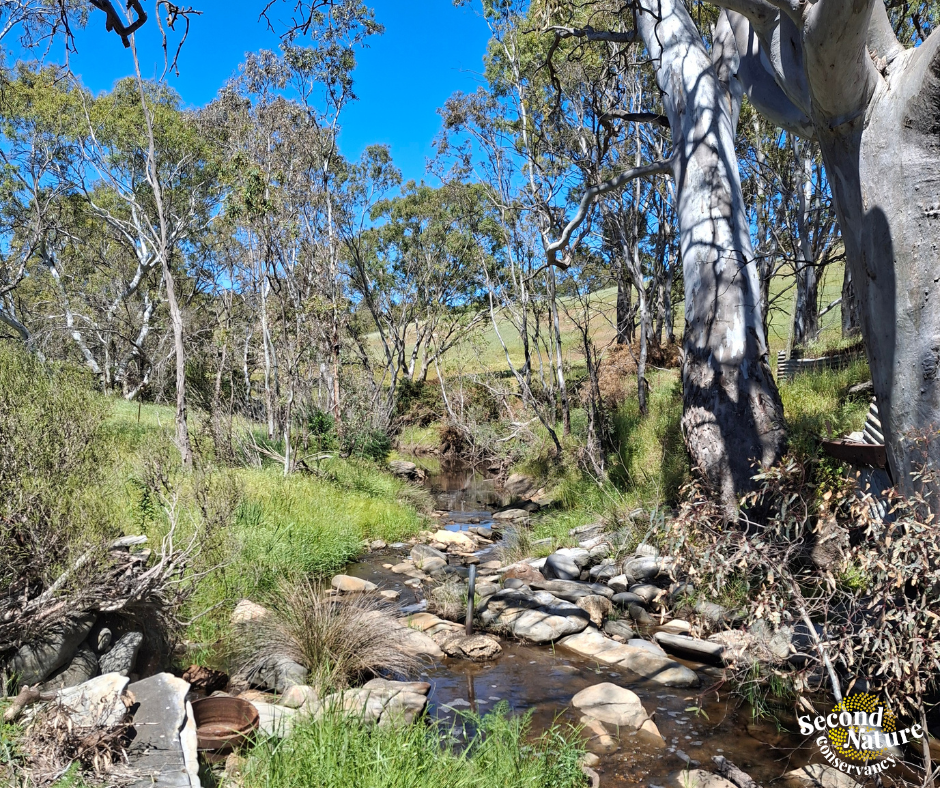
More habitat. More connections. More good news for biodiversity!
We’re thrilled to share that our Mulgundawa to Tungkillo Biodiversity Links Project has received support through the Murraylands and Riverland Landscape Board Grassroots Grants program.
With six years of restoration already underway, this next phase will help connect habitats, strengthen biodiversity, support threatened native plants and work alongside local landholders to create lasting landscape-scale change.
Want to see what’s planned and why it matters? Read the full story on the dedicated project page.
Nature News
Nature Events
How the community
feels about us…
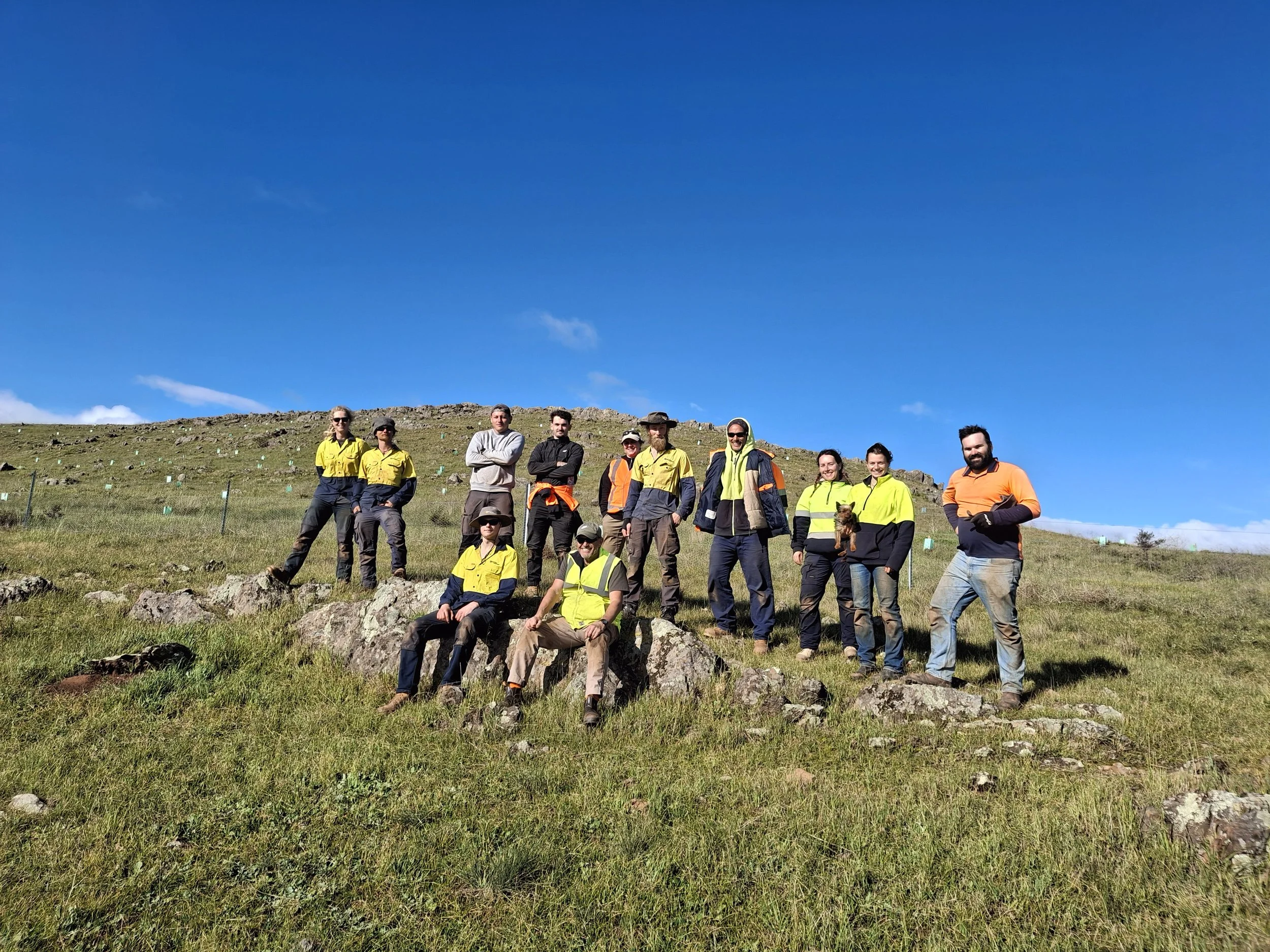
“I get to meet new people, learn and be active in the outdoors...working with my hands to nurture plants is therapeutic. My plans to volunteer for a few hours each week is challenged by wanting to stay longer. You know when you’re onto a good thing when this happens! Come and join us... it’s a lot of fun!”
“As a volunteer I’m welcomed, supported, encouraged, informed, included, valued and appreciated. It’s very satisfying to work in a team that nurtures native plants, seeds, and seedlings. I’m inspired and rewarded knowing that our work together contributes to positive changes in our natural environment. The enthusiasm, dedication and respect given by the team leaders makes this a great place to volunteer.”
Considering an environmental and sustainable on ground project on your property? We may be able to help…
Nature numbers,
since 1998…


over 10,000 hectares
protected & enhanced

over 4,000 landholders engaged

At Second Nature, every planting program is carefully informed by the landscape around it — from key reference sites and local knowledge to biological data and the plants already thriving nearby.