A SECOND NATURE PROJECT
Mundoo Channel Wetland Enhancement
These works are being delivered by Second Nature Conservancy Inc as part of the Shorebird and Wetland Habitat Program, which is funded by the Australian Government and implemented by the Government of South Australia
The Objective
Restoring critical habitat in one of Australia’s most important wetland systems
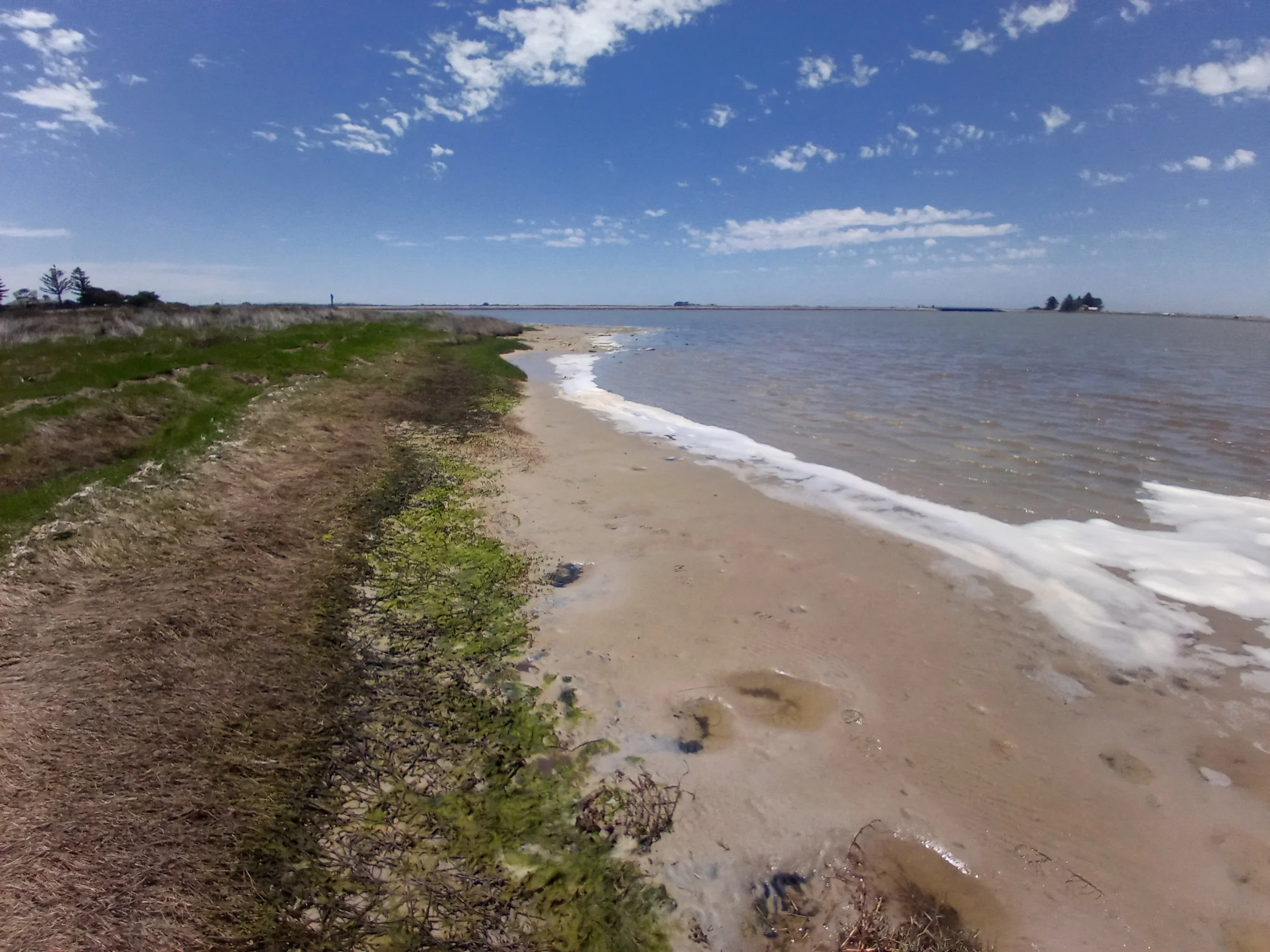
The Mundoo Channel Wetland Enhancement Project is an exciting new initiative led by Second Nature, working to restore and strengthen vital shorebird habitat in the Coorong and Lakes Alexandrina and Albert Wetland - a site recognised under the Ramsar Convention for its global ecological significance.
This area is also listed in the Australian National Directory of Important Migratory Shorebird Habitat as an Internationally Important site, supporting thousands of migratory birds that travel from as far as Siberia and Alaska each year.
This project will enhance high-tide roosting sites for migratory and other shorebirds through the planting of native vegetation along the Mundoo Channel in Lawari Conservation Park. The densely planted vegetation will restore native plant communities and contribute to a more resilient ecosystem. In addition to planting native plant species, including low shrubs and tussock grasses, this project will install a half a kilometre fence to protect the habitat area from adjacent agricultural activities. The exclusion of cattle via fencing will reduce sediment and nutrient in runoff, and newly planted vegetation will provide additional filtration of agricultural runoff. The newly vegetated site will link fragmented habitats around a narrow strip of intertidal marsh.
Why the Mundoo Channel Matters…
The project area includes a diverse mosaic of shoreline habitats - from exposed mudflats to samphire communities, reedbeds, fringing shrublands and low woodlands. This connectivity is essential for the survival of many bird species that rely on different habitats for feeding, nesting, resting and protection.
The site is also home to several threatened plant species, including Glycine rubiginosa and Veronica hillebrandii, and contains fragmented patches of intertidal marsh that urgently need restoration to ensure long-term ecological resilience.
What the Project Will Deliver
The Mundoo Channel Wetland Enhancement Project will expand, protect and improve wetland habitat for shorebirds, vulnerable wildlife and native plant communities by:
Enhancing hide-tide roosting sites
Creating and improving roosting habitat using low native shrubs and tussock grasses, benefiting species such as:
Red-necked Avocet
Pied and Banded Stilts
Hooded and Red-capped Plovers
Pied and Sooty Oystercatchers
Fairy and Crested Tern
Pelicans
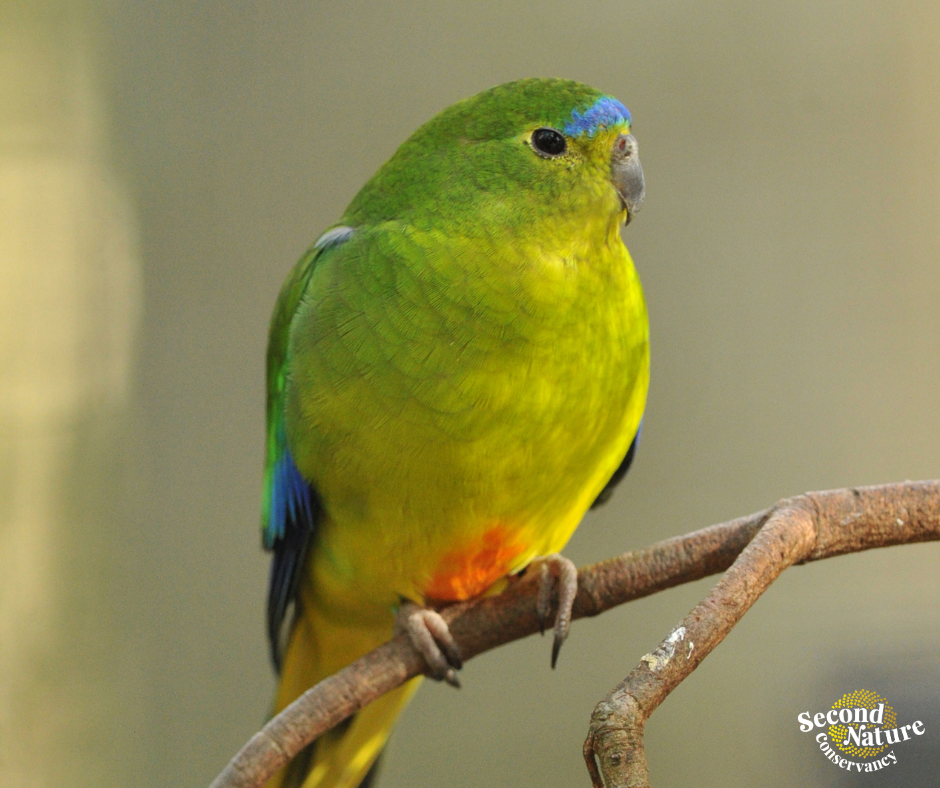
Orange-bellied Parrots
2. Restoring native vegetation communities
Re-establishing diverse plant assemblages to build a more resilient, self-sustaining ecosystem.
3. Installing fencing and buffer vegetation
Reducing habitat and water quality degradation from neighbouring agricultural activities and providing safer spaces for wildlife.
4. Providing additional cover for disturbance-sensitive species
Supporting species vulnerable to disturbance from people and livestock by increasing sheltered, protected zones.
5. Encouraging natural regeneration
Restored habitat will promote natural plant regrowth, increasing biodiversity and expanding the extent of functioning wetland ecosystems.
6. Targeted invasive weed control
Strategic removal of woody weeds in priority areas adjoining wetlands in Lawari Conservation Park, improving habitat quality.
Expected Ecological Outcomes
The project will increase roosting, refuge and protective habitat for a wide range of fauna. Benefiting species include:
Migratory shorebirds: Red-necked stint, Sharp-tailed sandpiper
Threatened species: Orange-bellied parrot, Little tern
A diversity of local wetland and shoreline bird species that depend on intact, connected habitat
Restored plant communities and improved habitat structure will support long-term ecosystem health across the entire wetland landscape.
Working with Ngarrindjeri
We are proud to be working with DEW and the Ngarrindjeri Aboriginal Corporation (NAC) to support cultural surveys and the potential involvement of Ngarrindjeri Rangers and community members in on-ground works. Their knowledge, cultural connection and leadership are central to the ongoing care, revegetation and stewardship of this landscape.
These works are being delivered by Second Nature Conservancy Inc as part of the Shorebird and Wetland Habitat Program, which is funded by the Australian Government and implemented by the Government of South Australia.