At Second Nature, every planting program is carefully informed by the landscape around it — from key reference sites and local knowledge to biological data and the plants already thriving nearby.
When Second Nature undertakes revegetation, we don’t just plant a bunch of `local species’ willy nilly and hope for the best.
Using key reference sites (locations hich are representative of the target plant community/s we hope to return), we refer to these areas to inform our revegetation species lists, approaches, densities and ratios for any given site.
Key reference sites are often remnant vegetation patches close to the revegetation sites, roadside vegetation and existing native plant species on the site. They can also be sites in a similar landscape type of the same target plant community.
To add to whatever vegetation info we can draw from the landscape, we also delve into biological data on flora and plant communities, local knowledge, reference guides and of the areas held within our staff and organisation.
The research we undertake nearly always leads to the inclusion of conservation significant flora.
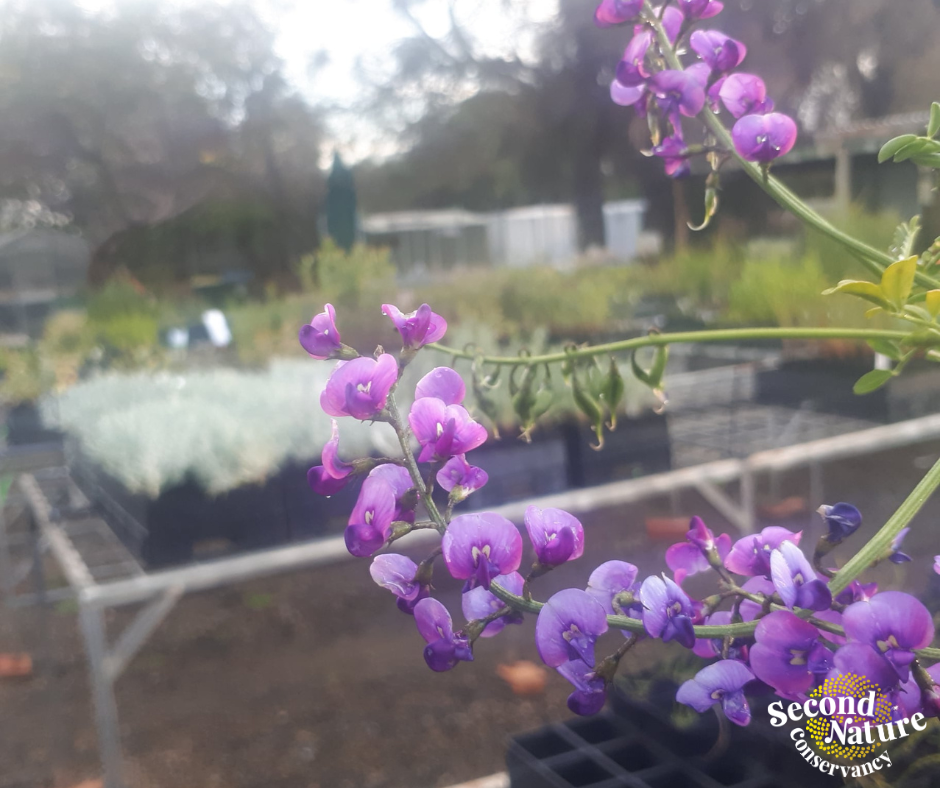
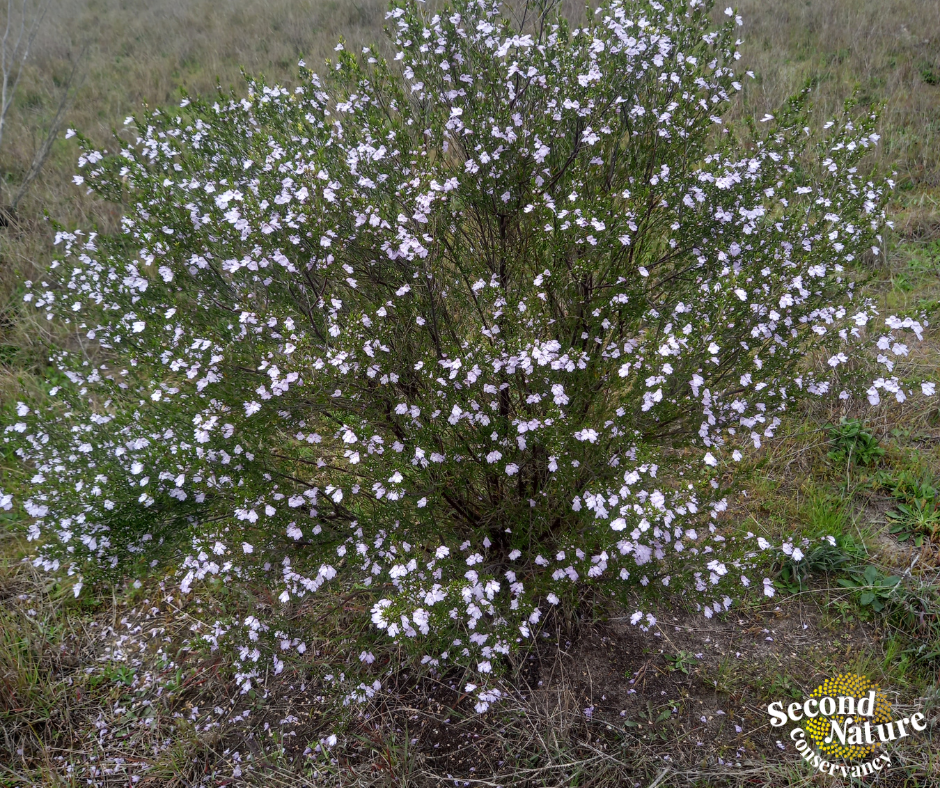
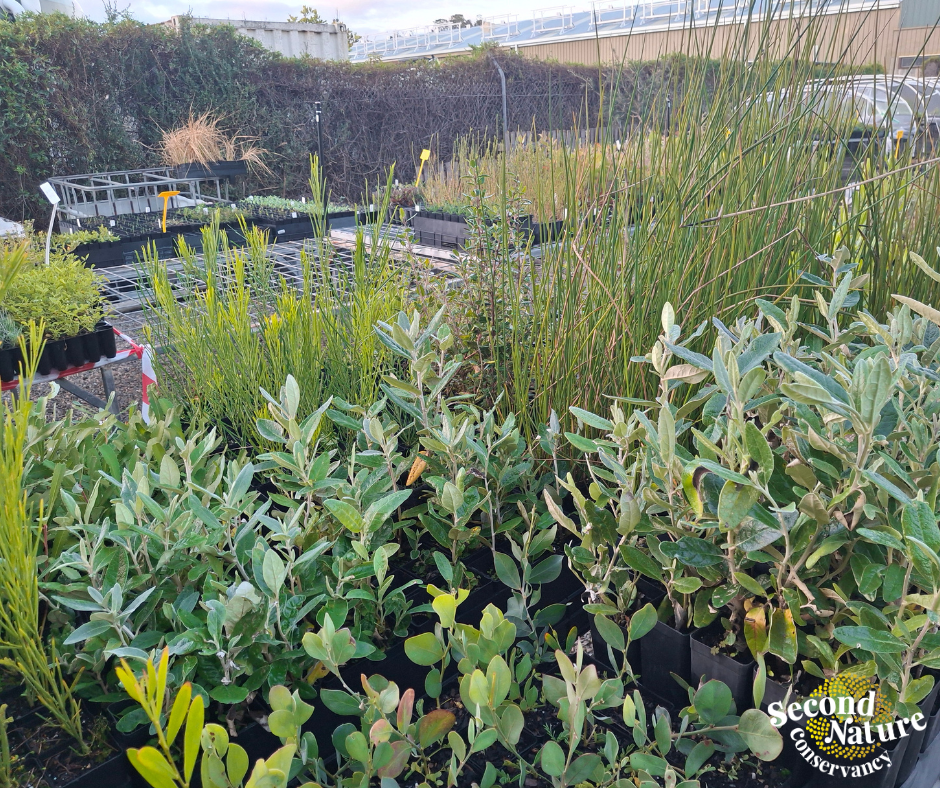
Across all of our projects this year we will see the following threatened flora bolstered with our planting programs –
740 Olearia pannosa ssp pannosa
860 Acacia menzelii
626 Calocephalus citreus
500 Correa glabra var turnbulii
840 Acacia rupicola
300 Banksia marginata – Mount Barker provenance
200 Hakea mitchellii
133 Myoporum petiolatum
370 Olearia passerinoides ssp glutescens
50 Mentha satureioides
225 Scuttaleria humilis
75 Swainsona lessertiifolia
30 Prostanthera eurybioides
16 Prostanthera behriana